




What Is a Travelling Group? The Foundation of Balanced and Safe Movement in Crane Systems
What Is a Travelling Group? The Foundation of Balanced and Safe Movement in Crane Systems
Controlled Movement, Safe Load Handling, and Long-Lasting Performance in Industrial Cranes
Industrial crane systems do not only lift heavy loads; they also transport them safely and in a balanced manner. Lifting a load is important, but moving that load within the facility in a controlled way is just as critical. At this point, the travelling group stands out as one of the most important mechanical components of crane systems.
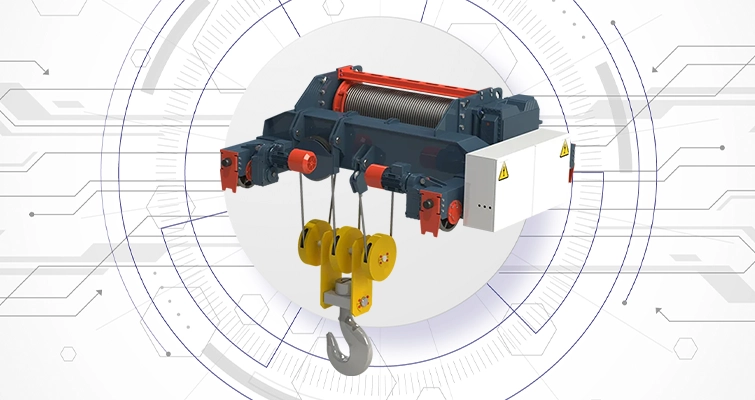
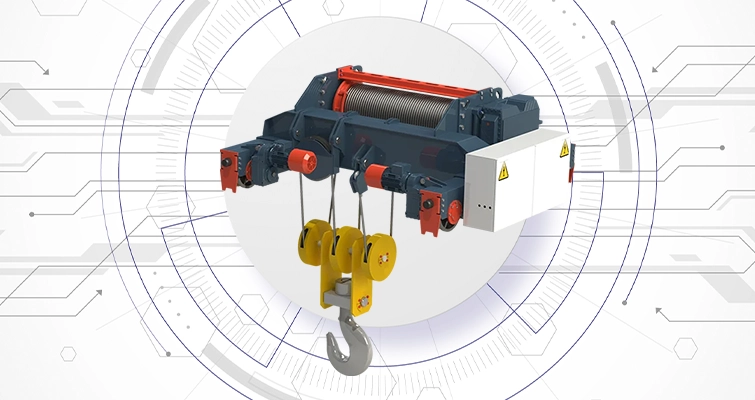
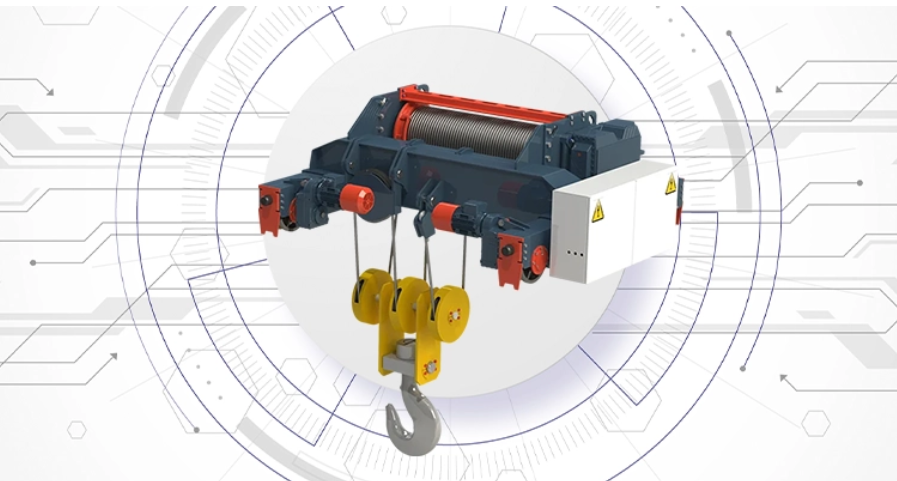
The travelling group is the system that enables the crane bridge, trolley, or gantry legs to move. It consists of motors, gearboxes, wheels, shafts, brakes, connection elements, and electrical control components. Balanced, quiet, safe, and long-lasting crane movement depends on the correct design of the travelling group.
In overhead travelling cranes, bridge travelling and trolley travelling movements; in gantry cranes, movement along the outdoor working area; in process cranes, precise positioning; and in heavy-duty applications, safe load transportation are all made possible by the travelling group.
Eser Vinç focuses not only on lifting capacity in industrial crane systems, but also on safe, controlled, and efficient load movement within the facility. For this reason, travelling group design is evaluated with an engineering perspective in every project according to capacity, span, working class, rail line, operating intensity, and safety expectations.
What Is a Travelling Group?
A travelling group is the complete mechanical and electrical system that provides horizontal movement in a crane system. After the crane lifts the load, moving that load left-right, forward-backward, or along the working area is performed by the travelling group.
This system may function at different points depending on the crane application. In overhead travelling cranes, it enables the bridge to move on rails and the trolley group to move on the bridge. In gantry cranes, it helps the crane move across outdoor areas. In process cranes, it supports precise positioning of the load within the production line.
A travelling group generally consists of the following components:
Motor
Gearbox
Wheel group
Shaft and connection elements
Brake system
Rail line compatibility
Electrical connections
Speed control system
Limit switch
PLC-controlled movement infrastructure
The travelling group directly affects the movement quality of the crane. Unbalanced movement, rail stress, wheel wear, or incompatibility between motor and gearbox may cause major failures and production downtime over time.
What Does a Travelling Group Do?
The main function of the travelling group is to enable the crane system to move on the horizontal axis. This movement makes it possible not only to lift the load, but also to transport it safely to the correct point.
The travelling group performs the following functions:
Enables the crane bridge to move on rails
Allows the trolley group to move along the bridge
Supports gantry crane movement across the working area
Helps transport the load to the desired point
Provides precise positioning
Makes operator control easier
Contributes to reducing load swing
Maintains rail and wheel compatibility
Provides efficient load handling in the production line
A correctly designed travelling group allows the crane to operate more quietly, smoothly, safely, and in a controlled manner. This increases both operator efficiency and production continuity.
In Which Cranes Is a Travelling Group Used?
The travelling group is one of the main components used in many industrial crane systems. Depending on the crane type, the structure, capacity, and technical specifications of the travelling system may vary.
Travelling Group in Overhead Travelling Cranes
In overhead travelling cranes, there are two main travelling movements. The first is bridge travelling movement. The bridge moves forward and backward on rails along the factory hall. The second is trolley travelling movement. The trolley group moves left and right on the bridge, allowing the load to be transported to different points within the facility.
In these systems, balanced operation of the travelling group is critical for safe load handling. Rail line, wheel diameter, motor power, gearbox structure, and speed control system must be planned correctly.
Travelling Group in Gantry Cranes
In gantry cranes, the travelling group enables the crane to move along outdoor working areas. Gantry crane travelling systems are widely used in precast concrete yards, steel construction production areas, shipyards, stockyards, and heavy load handling areas.
In gantry cranes operating outdoors, the travelling group must be designed by considering wind effects, ground conditions, rail alignment, environmental factors, and heavy load dynamics.
Travelling Group in Process Cranes
In process cranes, the travelling group must operate in line with the tempo of the continuous production line. In these systems, precise movement, controlled speed, low vibration, and long-lasting use are highly important.
In steel plants, foundries, energy facilities, automotive plants, heavy machinery production, and metal processing facilities, the process crane travelling group is a strategic component that directly affects production continuity.
Travelling System in Jib Cranes
In jib cranes, the movement structure is different. The hoisting unit operating on the arm and the rotation movement enable the load to be transported within a local area. While manual movement may be preferred in some jib cranes, electric travelling or motorized rotation systems may be used in more intensive applications.
Main Components of a Travelling Group
A travelling group consists of several components that work in harmony with each other. Any incompatibility in one of these components may affect the overall performance of the system.
Motor
The motor is the power source of the travelling movement. It enables the crane bridge, trolley group, or gantry crane to move. When selecting the motor, crane capacity, span, travelling speed, working class, and operating intensity must be considered.
Incorrect motor selection may cause the following problems:
Strain during movement
Motor overheating
Performance loss
Unbalanced travelling
Energy inefficiency
Frequent failures
Eser Vinç evaluates travelling group motor selection not only according to power value, but also according to the system’s operating conditions and long-term performance expectations.
Gearbox
The gearbox converts motor power into the appropriate speed and torque values. It ensures that the travelling movement takes place in a balanced, controlled, and safe manner.
A high-quality gearbox provides the following advantages:
Smoother movement
Lower vibration
Quieter operation
Longer equipment life
More controlled speed management
Safer load handling
In heavy-duty cranes, the gearbox structure plays a critical role in system reliability. Especially in continuously operating cranes, gearbox durability and ease of maintenance must be evaluated carefully.
Wheel Group
The wheel group is one of the main mechanical components that enables the crane to move on rails. Wheel diameter, material quality, surface hardness, and rail compatibility directly affect system performance.
Key points to consider in the wheel group include:
Wheel diameter
Wheel material
Surface hardness
Flange structure
Rail compatibility
Wear resistance
Balanced load distribution
If wheel and rail compatibility is not planned correctly, vibration, noise, flange wear, and rail deformation may occur in the system.
Rail Line
For the travelling group to operate properly, the rail line must be aligned correctly. Problems in rail alignment cause stress on the wheel and motor group.
Important points in rail line inspection include:
Rail alignment
Rail connection points
Surface deformation
Level differences
Rail gauge
Connection bolts
Obstacles on the rail
If the rail line is not prepared correctly, even the highest-quality travelling group cannot deliver the desired performance. Therefore, Eser Vinç evaluates rail line and travelling group compatibility together in crane projects.
Brake System
In the travelling group, the brake system ensures that the crane stops in a controlled way. Especially when carrying heavy loads, safe deceleration and stopping of the crane are highly important.
The brake system performs the following functions:
Stopping bridge movement
Controlling trolley movement
Ensuring safe stopping of the gantry crane
Stopping movement in emergency situations
Supporting load positioning
The brake system must be inspected regularly, and response time and wear condition must be monitored.
Speed Control System
In modern travelling groups, speed control provides important advantages in terms of both safety and efficiency. With frequency inverters or PLC-controlled infrastructures, crane movements become smoother and more controlled.
Advantages of speed control systems include:
Reduces sudden starts
Prevents sudden stops
Reduces load swing
Improves operator control
Reduces wheel and rail wear
Contributes to energy efficiency
Provides precise positioning
Speed control systems offer major benefits especially in process cranes and precision production lines.
What Should Be Considered When Choosing a Travelling Group?
Travelling group selection directly affects the overall performance of the crane system. Therefore, it is not enough to consider only motor power or wheel size. The system must be evaluated as a whole.
Crane Capacity
The travelling group must be selected according to the load capacity of the crane. As the weight of the transported load increases, the technical specifications of the motor, gearbox, wheel, and brake system must be determined accordingly.
A travelling group selected according to capacity ensures that the system operates without strain and provides long service life.
Span Measurement
In overhead travelling cranes, span measurement is one of the key criteria that affects travelling group design. In wide-span cranes, both sides must operate synchronously for balanced travelling movement.
As the span increases, the following details become more important:
Motor synchronization
Wheel alignment
Rail compatibility
Bridge rigidity
Speed control
Vibration management
In wide-span cranes, unbalanced travelling may cause system stress and rail strain.
Working Class
The operating intensity of the crane system is one of the determining factors in travelling group selection. A travelling group designed for light use may not provide sufficient performance in a continuous production line.
When determining the working class, the following factors should be evaluated:
Daily operating time
Number of movements per hour
Load capacity
Working environment
Production line tempo
Operational continuity
Eser Vinç analyzes the working class in detail when selecting the travelling group and determines the system structure suitable for the business.
Travelling Speed
Travelling speed is an important criterion that affects production efficiency and operator control. Cranes that move too slowly may delay production processes. Systems that move too fast may create control difficulties with sensitive loads.
For this reason, travelling speed should be determined according to the production structure of the facility. In areas requiring precise positioning, step speed or frequency-controlled systems may be preferred.
Working Environment
The operating environment of the travelling group directly affects equipment selection. Systems operating in dusty, humid, hot, outdoor, or heavy industrial conditions require more durable components.
The following details should be evaluated according to the working environment:
Motor protection class
Gearbox durability
Wheel material
Paint and surface protection
Electrical connection protection
Brake system structure
Rail line conditions
Environmental conditions should be evaluated more carefully in outdoor gantry cranes.
What Are Travelling Group Failures?
Different failures may occur in travelling groups over time. These failures usually appear as noise, vibration, unbalanced movement, or performance loss.
Common travelling group failures include:
Motor overheating
Gearbox oil leakage
Wheel wear
Stress on the rail
Unbalanced travelling
Vibration
Excessive noise
Reduced brake performance
Speed control problems
Electrical connection failures
Bridge skewing
Difficulty in trolley movement
When these signs are observed, the system should be stopped and technical service support should be obtained. Early intervention prevents larger failures.
Why Is Travelling Group Maintenance Important?
The travelling group is a continuously moving mechanism in the crane system. Therefore, regular maintenance is necessary for safe and long-lasting operation.
The following points should be checked during maintenance:
Motor performance
Gearbox oil level
Wheel wear
Rail line condition
Brake system
Electrical connections
Speed control system
Limit switch equipment
Noise and vibration level
Connection bolts
With regular maintenance, wear in the system is detected early. This reduces unplanned production downtime, extends equipment life, and protects a safe working environment.
Safe Travelling Group Solutions with Eser Vinç
Eser Vinç does not evaluate the travelling group only as a mechanism that provides movement in industrial crane systems. This system is a critical engineering component for crane safety, production efficiency, and long-term performance.
Key advantages of Eser Vinç travelling group solutions include:
Project-specific engineering approach
Motor and gearbox selection suitable for capacity
Correct planning of wheel and rail compatibility
Safe brake system
Speed control options
PLC-controlled movement infrastructure
Balanced and quiet operation target
Design suitable for intensive use
Professional installation and commissioning
Service and maintenance support
Eser Vinç develops travelling group solutions suitable for business needs in overhead travelling cranes, gantry cranes, jib cranes, and process crane systems, creating safe and efficient load handling processes.
Factors Affecting Travelling Group Prices
Travelling group prices vary depending on the technical specifications of the system and project requirements. Since every crane system has different capacity, span, speed, working class, and operating environment, pricing must be project-based.
Main factors affecting the price include:
Crane type
Load capacity
Span measurement
Travelling speed
Working class
Motor power
Gearbox type
Wheel group specifications
Brake system
Speed control infrastructure
PLC control requirement
Rail line conditions
Installation conditions
Service and maintenance expectations
For the most accurate pricing, the operating conditions of the crane system should be analyzed on site, and the travelling group structure suitable for the business should be determined.
Conclusion
The travelling group is the main mechanism that provides balanced, safe, and controlled movement in crane systems. The movement performance of the crane bridge, trolley group, or gantry crane directly depends on the quality of the travelling group.
Travelling groups designed with the correct motor, gearbox, wheel, brake, rail compatibility, and speed control system make load handling processes safer, quieter, more balanced, and more efficient. Incorrectly selected or poorly maintained travelling groups may cause failures, production downtime, rail and wheel wear, and safety risks.
Eser Vinç provides project-specific travelling group solutions to businesses with its engineering strength in industrial lifting systems. If you are looking for a safe, balanced, and long-lasting movement solution for your overhead travelling crane, gantry crane, process crane, or existing crane system, you can contact Eser Vinç to determine the most suitable system for your business.