




How to Plan Factory Load Routes: Crane Systems From Receiving to Shipping
How to Plan Factory Load Routes: Crane Systems From Receiving to Shipping
A steel plate arrives at a factory and moves from the outdoor storage yard to the production hall. After cutting, it goes to a workstation. Once assembly is complete, the finished part moves to the shipping area. Each stage involves a different travel distance and level of positioning accuracy. Factory load route planning identifies where each load is picked up, where it is set down, and which lifting system can serve that part of the route.
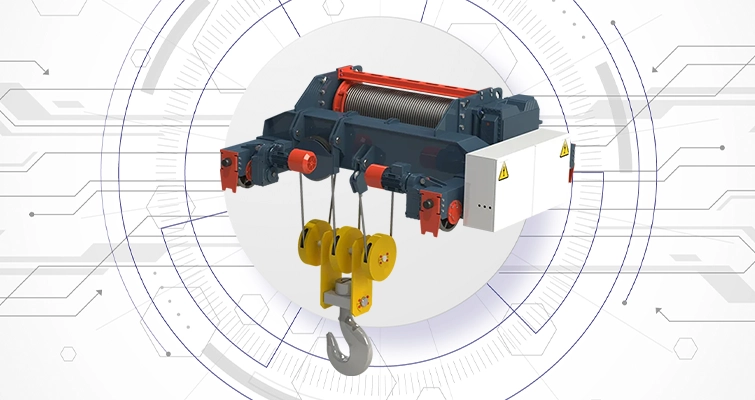
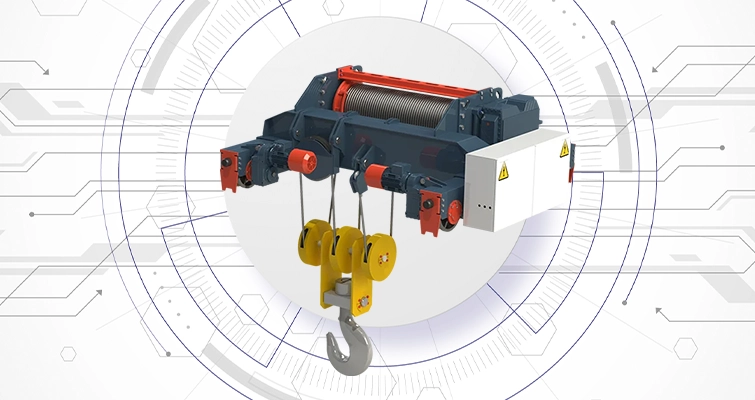
The Eser Vinç Mühendislik product range includes gantry cranes, overhead travelling cranes, jib cranes and process cranes. Each can serve a different part of the route. Hoisting units raise and lower the load, while travel units move the crane bridge or other equipment along its runway. www.eservinc.com
1. Gantry cranes for receiving and outdoor storage
When steel sections, marble blocks or large machine components arrive by truck, they are unloaded and moved to a designated storage area. A gantry crane travels on ground-level rails and can serve both the truck unloading point and storage locations within its working area. www.eservinc.com
Where a storage yard runs alongside the factory building, a semi-gantry crane may be suitable. One side travels on a ground-level rail, while the other runs on a raised runway supported by the building structure. Marking the truck position, storage rows and furthest point the hook must reach on the same site plan helps identify where materials should transfer from the yard to production. www.eservinc.com
2. Overhead travelling cranes for the production hall
Inside the production hall, materials may move between cutting, welding, assembly and buffer storage areas. An overhead travelling crane serves multiple points because the bridge travels along the hall and the hoist traverses the bridge. www.eservinc.com
When evaluating a single-girder or double-girder crane, consider the load weight, runway span, lifting height and operating frequency. To move a machine frame into an assembly area, for example, the hook must reach the lifting point and the frame must clear equipment along the route. The layout drawing should show the space occupied by the load throughout the move, alongside the crane runway. www.eservinc.com
The Rayvag Vagon project illustrates how crane specifications can vary across facilities operated by the same customer. Eser Vinç reports manufacturing and installing two 5-tonne double-girder overhead travelling cranes for the Adana facility and four 10-tonne cranes of the same type for the Eskişehir facility. The runway spans, capacities and duty classes were specified for each facility’s production requirements. www.eservinc.com
3. Jib cranes for individual workstations
Once a part reaches a workstation, it may need several shorter moves. A mould, for instance, may be lifted from a staging stand onto a machine and then moved to an inspection table. Where that sequence repeats throughout a shift, a jib crane can give the workstation its own lifting coverage and free the main overhead crane for transfers across the hall. www.eservinc.com
A wall-mounted jib crane can suit work areas grouped along a wall or structural column. A freestanding column-mounted jib crane can serve benches or machines positioned in different directions. The locations of the staging stand, machine and set-down point determine the jib’s required reach and slewing range. www.eservinc.com
4. Process cranes for production-specific tasks
Certain lifts take place as part of the production cycle. Examples include feeding scrap into a line, transferring steel billets between stations and positioning a ladle during casting. A process crane is designed around the way the load is picked up, the sequence of movements, the required positioning accuracy and any integration with the plant’s automation system. www.eservinc.com
Scrap-handling applications may use a grab bucket, an orange-peel grab or a lifting magnet, depending on the material. The below-the-hook attachment is specified as part of the lifting system because it determines how the load is picked up and released. Where several types of load share the route, the lifting and set-down arrangements are defined for each. www.eservinc.com
5. Defining vertical and horizontal movements
The hoisting unit raises and lowers the load. To specify it, record the load weight, pick-up and set-down levels, required lifting height and how often the lift is repeated. Include the below-the-hook equipment needed to handle the load. www.eservinc.com
The travel unit moves the crane bridge or other moving equipment along its rails. Define the travel distance, stopping points and number of trips per production cycle. Those details help specify the operating requirements for both long transfers across an outdoor yard and short, repeated moves in an assembly area. www.eservinc.com
What information is needed for a crane project?
| Project information | Details to record |
|---|---|
| Load dimensions and weight | Part dimensions, the heaviest load and the lifting attachment |
| Pick-up and set-down points | Truck position, storage area, machine, assembly station or shipping area |
| Facility dimensions | Hall length, runway span, ceiling height and column locations |
| Operating frequency | Number of lifts per shift and peak operating periods |
| Working environment | Indoor or outdoor operation, temperature, dust exposure and other site conditions |
| Production line integration | Operator controls, machine feeding or integration with plant automation |
If you are setting up a new factory or expanding an existing production line, share your facility layout, load dimensions and daily operating requirements with Eser Vinç Mühendislik. The engineering team can evaluate the lifting system for each stage of the route and prepare a project quotation. www.eservinc.com