




What Is a Process Crane? Heavy-Duty Crane Systems for Continuous Production Lines
What Is a Process Crane? Heavy-Duty Crane Systems for Continuous Production Lines
Crane Solutions That Provide Uninterrupted Performance in Industrial Production
In heavy industrial facilities, production continuity directly affects operational efficiency and competitive strength. Lifting systems used in iron and steel plants, foundries, energy facilities, heavy machinery production lines, the automotive industry, metal processing plants, and high-capacity production areas require stronger technical specifications than standard crane solutions. At this point, process crane systems stand out as heavy-duty crane solutions developed for continuously operating production lines.
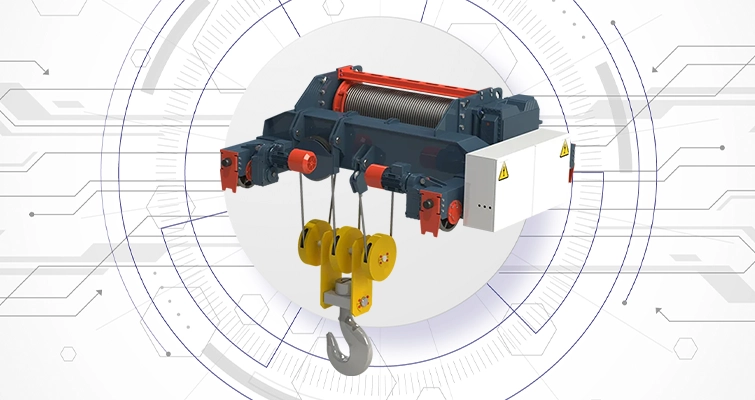
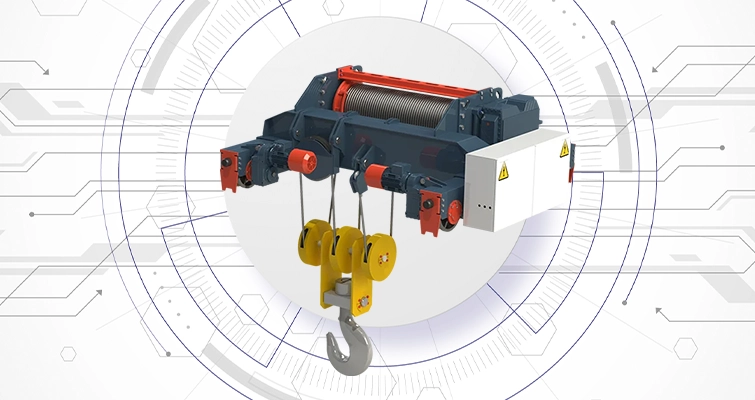
A process crane is a special crane system that operates with high cycle capacity in industrial facilities with intensive working conditions and becomes an active part of the production line. These systems are not used only for lifting loads; they also ensure that the production flow continues safely, quickly, and efficiently.
Eser Vinç develops process crane solutions suitable for the production needs of businesses with its engineering-oriented approach in industrial lifting systems. Capacity, working class, cycle intensity, automation level, safety systems, and facility conditions are analyzed in detail to design project-specific systems.
What Is a Process Crane?
A process crane is a heavy-duty crane system used in continuously operating or high-intensity production lines. Unlike standard overhead travelling cranes, process cranes are designed with higher operating intensity, greater cycle capacity, stronger motor and gearbox systems, and advanced control infrastructure.
These cranes become an active part of the production process. Unlike systems where loads are handled only at certain intervals, process cranes may operate continuously in shift-based production environments. Therefore, during the design process, not only lifting capacity but also usage frequency, working time, load spectrum, environmental conditions, and safety requirements must be evaluated together.
Process cranes are especially used in facilities where high-tonnage loads are handled regularly. Since even the smallest interruption in the production line may cause time loss, capacity reduction, and increased costs, these systems must be designed with a durable, reliable, and long-lasting structure.
Where Are Process Cranes Used?
Process crane systems are preferred in industrial facilities with intensive production tempos. These systems provide high efficiency especially in areas where heavy loads are frequently lifted, transported, and positioned precisely.
Iron and Steel Plants
In the iron and steel industry, high temperature, heavy loads, and intensive cycle conditions exist together. Strong process crane solutions are required for handling steel coils, slabs, billets, sheet packages, and heavy metal components.
Foundries
In foundries, ladle handling, mold handling, heavy part lifting, and production line support operations require high safety standards. Process cranes provide safe and controlled lifting performance in these environments.
Heavy Machinery Production
Process crane systems improve operational efficiency in heavy machinery manufacturing facilities where large machine bodies, engine blocks, chassis components, and high-weight equipment are handled.
Energy Facilities
Energy facilities require reliable lifting systems for handling turbines, generators, transformers, pipe systems, and heavy assembly equipment. Process cranes offer powerful solutions for such critical operations.
Automotive and Supplier Industry
In automotive production processes, process cranes can be used for mold changes, press line support operations, heavy fixture handling, and positioning production equipment.
Metal Processing and Production Lines
Process cranes support production flow in metal processing facilities where sheets, profiles, metal blocks, molds, and special production parts are frequently handled.
Differences Between Process Cranes and Standard Cranes
Not every crane system is suitable for the same working conditions. Standard crane systems may be sufficient for businesses with lower usage intensity, while process cranes are designed for continuous and heavy-duty operating conditions.
The main differences of process cranes include:
Higher working class
Stronger motor and gearbox structure
Higher cycle capacity
Design suitable for intensive shift operations
Advanced control systems
More durable steel construction
Infrastructure suitable for automation integration
More comprehensive safety systems
Precise positioning capability
Longer service life target
While standard cranes are preferred for load handling operations at certain intervals, process cranes become continuously operating equipment within the production line. Therefore, engineering calculations must be carried out much more carefully in process crane projects.
Why Is FEM Working Class Important in Process Cranes?
One of the most critical technical factors in process crane selection is the FEM working class. FEM class determines how intensively the crane will operate and according to which working conditions it should be designed.
If a crane designed for light-duty use is operated continuously in an intensive production line, its mechanical components may wear out more quickly. This may increase the risk of breakdowns, raise maintenance costs, and cause production downtime.
The general FEM classification can be evaluated as follows:
FEM 1m: Light-duty use
FEM 2m: Medium-intensity use
FEM 3m: Heavy industrial use
FEM 4m: Continuous and intensive operation
In process cranes, FEM 3m and FEM 4m classes generally stand out. These systems are designed for high usage intensity, long operating hours, and demanding environmental conditions.
Selecting the correct FEM class directly affects the safe operation, mechanical service life, and long-term performance of the crane.
What Should Be Considered When Choosing a Process Crane?
When investing in a process crane, the production structure of the facility must be analyzed in detail. Evaluating only the weight of the load to be lifted is not enough. The working tempo of the system, number of cycles, environmental conditions, safety needs, and automation expectations must be examined together.
Lifting Capacity
The lifting capacity of the process crane must be determined according to the maximum weight of the loads to be handled. However, while calculating safe capacity, the load’s center of gravity, lifting points, lifting attachments, and possible future capacity increases should also be considered.
Operating Intensity
It must be determined how many hours per day the crane will operate, how many cycles it will perform, and under which shift system it will be used. In continuously operating facilities, systems with a low working class do not provide efficient results in the long term.
Lifting Speed
The lifting speed should be selected according to the tempo of the production line. Very slow systems may delay production, while very fast systems may create control difficulties with sensitive loads. Therefore, speed selection must be made according to operational needs.
Precise Positioning
In process cranes, the load must be positioned accurately at the required point. Especially when handling molds, machine parts, ladles, heavy equipment, or assembly components, precise movement capability ensures safer operation.
Environmental Conditions
Dust, temperature, humidity, chemical effects, outdoor conditions, high-temperature sources, and intensive production environments affect process crane design. For this reason, motors, electrical equipment, and protection classes suitable for the operating environment should be preferred.
Safety Systems
Safety equipment is an essential part of process cranes. In facilities where heavy loads are handled frequently, safety systems protect both employees and the production line.
Safety Systems in Process Cranes
Since process cranes operate with heavy and critical loads, safety equipment must be planned completely. Every movement of the system must be controlled, traceable, and stoppable when necessary.
Main safety systems include:
Overload protection system
Double brake system
Limit switches
Emergency stop system
Load swing control
Anti-sway technology
Anti-collision systems
Audible and visual warning systems
PLC-controlled safety infrastructure
Speed control systems
Thermal protection systems
Hook safety system
These safety components help the crane operate reliably both under operator control and in automation-supported applications.
Anti-sway technology reduces load swing and provides more controlled handling. PLC-controlled systems manage crane movements more precisely and enable integration with the production line.
The Importance of Automation in Process Cranes
In modern industrial facilities, crane systems are no longer only manually controlled equipment. Automation plays a major role in process cranes that operate as part of the production line.
Automation-supported process cranes provide the following advantages:
More precise load positioning
More controlled movement management
Reduced operator errors
Integrated operation with the production line
Higher cycle efficiency
Real-time monitoring and control capability
Reduced downtime risk
Stronger safety processes
PLC-controlled systems help process cranes adapt to different production scenarios. This structure makes crane movements safer, measurable, and more efficient.
Motor and Gearbox Selection in Process Cranes
Motor and gearbox selection is highly important for the long-lasting operation of process cranes. Motor and gearbox groups that are not suitable for intensive working conditions may experience performance loss in a short time.
Correct motor and gearbox selection provides the following advantages:
Higher operating durability
Lower breakdown risk
More stable lifting performance
Longer equipment service life
More efficient energy use
Safer load control
Especially in heavy industrial facilities, motor working class, brake structure, speed control infrastructure, and thermal protection systems must be determined carefully.
Maintenance and Service Process in Process Cranes
Since process cranes are intensive operating systems, maintenance must be carried out regularly and in a planned manner. Unplanned failures may cause serious downtime in the production line. Therefore, periodic maintenance is a fundamental part of operational safety in facilities using process cranes.
Main components that should be checked during maintenance include:
Hoisting wire rope
Hook and connection elements
Brake systems
Motor and gearbox groups
Wheels and rail line
Electrical panel
Control system
Limit switch equipment
PLC control infrastructure
Safety sensors
Travelling groups
Emergency stop functions
Regular maintenance reduces the risk of breakdowns, extends equipment life, ensures a safe working environment, and protects production continuity.
Factors Affecting Process Crane Prices
Process crane prices are determined by more detailed technical criteria compared to standard cranes. These systems have high operating intensity and special engineering requirements.
Main factors affecting the price include:
Lifting capacity
Span measurement
Lifting height
FEM working class
Operating intensity
Motor and gearbox selection
Brake system
Automation level
PLC control infrastructure
Anti-sway technology
Safety equipment
Environmental conditions
Rail line requirement
Installation conditions
Service and maintenance expectations
For the most accurate pricing, the production structure of the business must be analyzed, a site inspection should be carried out, and a project-specific process crane solution should be prepared.
Eser Vinç Process Crane Solutions
Eser Vinç develops project-specific process crane solutions for heavy industry and continuous production lines. Each system is designed according to the capacity requirement, operating intensity, production line layout, safety expectations, and technical infrastructure of the business.
Key advantages of Eser Vinç process crane solutions include:
Project-specific engineering design
Heavy-duty steel construction
Solutions suitable for FEM 3m and FEM 4m working classes
Strong motor and gearbox systems
PLC-controlled system options
Anti-sway technology
Advanced safety equipment
Professional installation and commissioning
Long service life target
Service and technical support approach
In process crane projects, Eser Vinç does not only manufacture lifting equipment; it develops integrated systems that adapt to the production line, strengthen safety, and increase efficiency.
Conclusion
Process crane systems provide powerful, safe, and long-lasting lifting solutions for continuously operating industrial facilities. They are among the critical systems that support production continuity in sectors such as heavy industry, iron and steel, foundry, energy, automotive, metal processing, and heavy machinery manufacturing.
For the correct process crane selection, lifting capacity, operating intensity, FEM class, lifting speed, automation level, safety systems, motor and gearbox structure, and maintenance plan must be analyzed in detail. A process crane system designed according to project requirements increases production efficiency, strengthens workplace safety, and provides long-term operational advantages for the business.
For your continuous production line, heavy industrial facility, or project-specific high-capacity lifting requirement, you can contact Eser Vinç to determine the most suitable process crane solution for your business.