




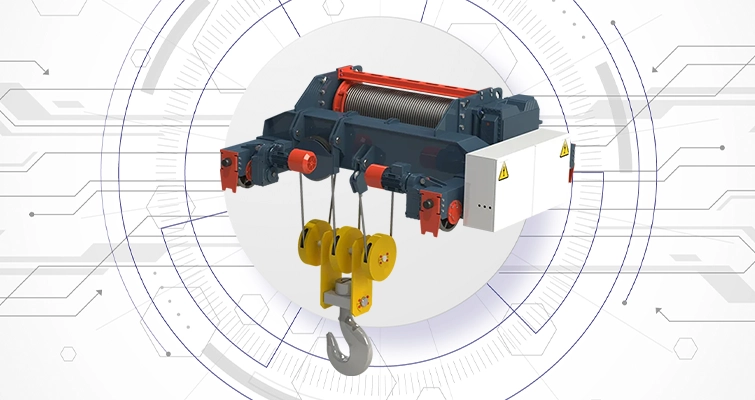
50 TON GEZER KÖPRÜLÜ VİNÇ
18/06/2026 10:08
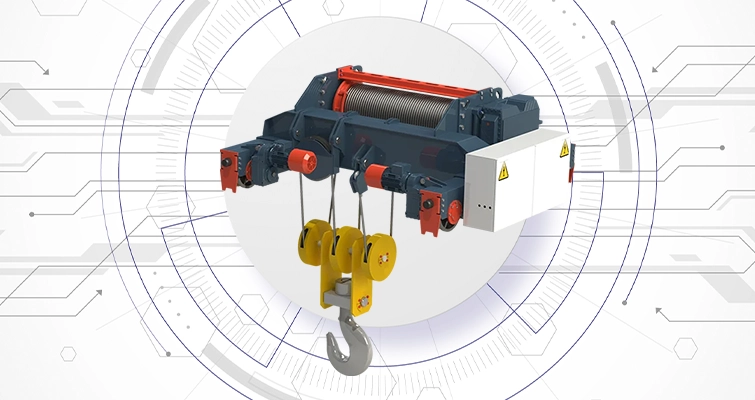
PORTAL VİNÇ FİYATLARI
18/06/2026 10:05
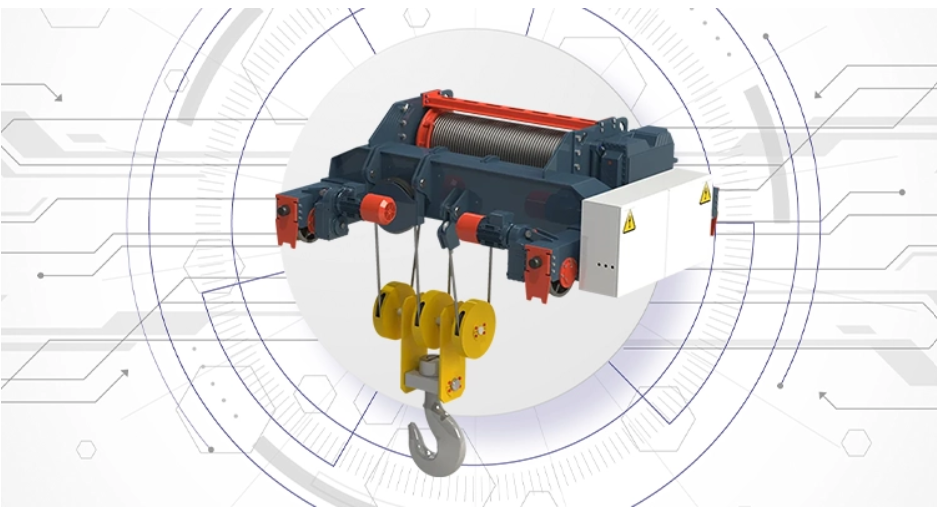
How to Choose the Right Overhead Crane for Factories? (Technical Guide)
How to Choose the Right Overhead Crane for Factories? (Technical Guide)
Ensuring a continuous, fast, and most importantly, safe material flow in industrial facilities and production areas directly affects operational efficiency. An incorrectly chosen crane system can lead to disruptions in production lines, high maintenance costs, and severe occupational safety risks.
So, how should you decide which solution—a double girder overhead crane gantry crane jib crane
1. Determining the Load Spectrum and Duty Class (FEM/DIN)
One of the most common mistakes made when selecting a crane is focusing solely on the maximum lifting capacity (tonnage). However, the lifespan and performance of a crane are directly related to its duty class (FEM/DIN standards).
- Lifting Capacity: The maximum weight to be lifted in your facility must be specified.
- Frequency of Use: The number of hours the crane will operate per day and how often the load will reach maximum capacity must be calculated.
- FEM/DIN Standards: A mechanical and electrical design appropriate for light, medium, or heavy-duty service classes should be selected. Systems with incomplete static calculations bring risks of premature wear and breakdown.
2. Evaluating Building Structure and Site Conditions
Before designing a crane, the physical conditions of the facility must be carefully analyzed:
- Bridge Span: The distance between the building’s columns or runway beams.
- Lifting Height: The maximum level to which the load will be lifted and the dead space clearance beneath the roof.
- Column Load-Bearing Capacity: It must be verified whether the existing factory building can support the crane loads. For sites lacking column infrastructure,
gantry cranes
3. Safety, Automation, and Drive Technologies
In modern manufacturing facilities, safety and precise movement take priority. The following systems are recommended for a properly configured crane:
- Frequency Inverter (VFD) Control: Prevents load swaying during starting and stopping, allowing for precise positioning and assembly.
- Overload Limiters: Automatically stop lifting attempts above the specified tonnage to prevent mechanical failure.
- -->